
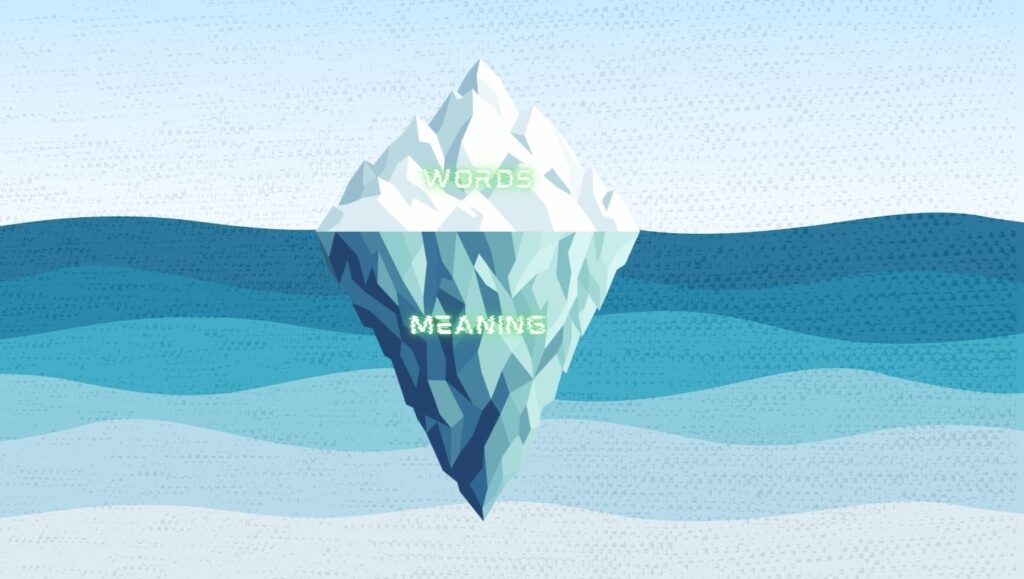
It’s easy to think of language as straightforward: we know what the words mean, so we think we understand the message.
Unfortunately, it doesn’t work that way.
Properly understanding words – making them make sense – isn’t just about recognising vocabulary. It’s about understanding that what they say and what they mean are not always the same thing. Even when they’re aligned, they can carry very different nuances.
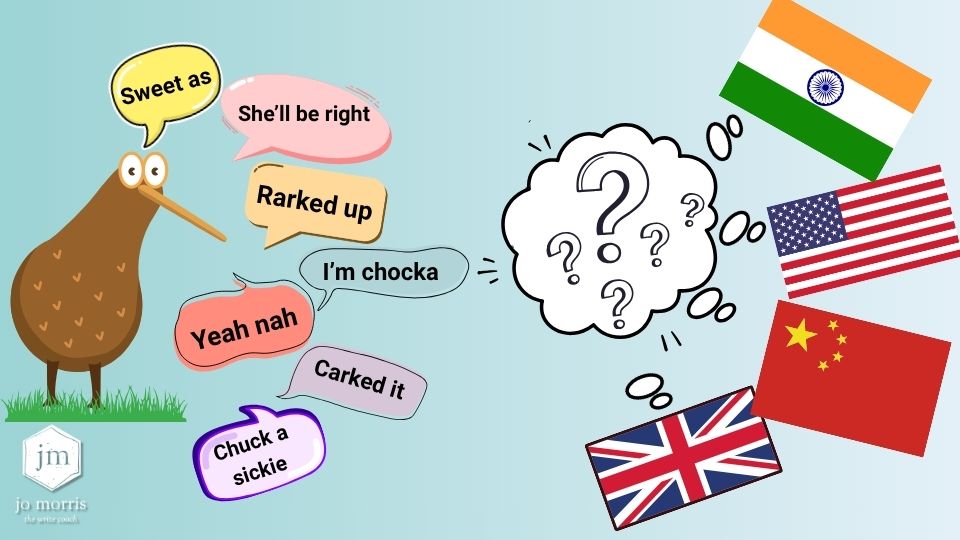
A simple example is one most New Zealanders wouldn’t think twice about:
“She’ll be right.”
Taken literally, it raises all sorts of questions. Who is she? What does right mean in this context? Correct? Opposite of left?
New Zealanders don’t hear it that way. We understand the meaning instantly: don’t worry about this problem, it will be fine.
That gap between the literal words and the understood meaning is where communication can break down.
Why this matters more than you think
In high school English, teachers talk about purpose and audience. For many people, that stays in essays and exams – but it shouldn’t.
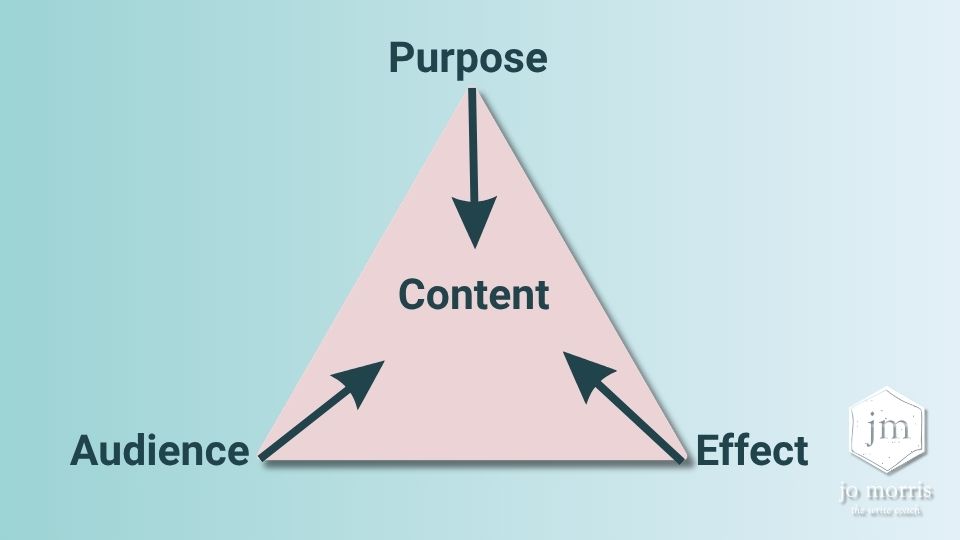
Every piece of language we encounter has:
- a purpose (What’s it for?)
- an audience (Who’s it for?)
- an intended effect (What does the writer want to happen?)
Making writing make sense isn’t just about clarity on the page. It’s about clarity in interpretation.
Advertising: When words sell more than they say
Some advertising is refreshingly straightforward.
Take Pak’nSave’s “New Zealand’s Lowest Food Prices.”
This is a clear, testable claim. Advertising like this operates largely at the level of what the words actually say. You might question whether they’re always true — but you know what’s being offered.
Other advertising works very differently.
Think about campaigns from Air New Zealand. You’re not just being sold a seat on a plane. You’re being sold a feeling: adventure, connection, identity. A version of yourself.
Or consider lifestyle advertising from ANZ Bank New Zealand. The focus isn’t really on banking products. It’s on homes, families and futures; on a sense of security and success.
In these cases, the message sits almost entirely beneath the surface:
- I can be this person.
- I can have this life.
One tells you the advantages of buying from them; the other tells you who you could become.
Political language: Meaning under pressure
Political language works in a similar way — but arguably, with higher stakes.
At its core, it does two things:
- It presents the speaker and their policies in the best possible light
- It casts doubt on the opposition
Take phrases like “Fixing the basics,” used by Christopher Luxon and the Coalition Government.
It sounds sensible — even obvious, doesn’t’ it? Of course we should fix the basics.
But underneath, there’s a whole set of assumptions:
- that the problems are simple
- that previous leadership failed at fundamental tasks
- that the solution is straightforward
Similarly, the New Zealand Labour Party slogan “A future made in New Zealand” draws on ideas of self-reliance, pride, and control — all without stating them directly.
Then there’s the way politicians talk about each other.
When David Seymour describes a policy as “bureaucratic overreach,” it frames it as excessive and controlling.
When Chris Hipkins refers to changes as “cuts,” the implication is loss, harm, something being taken away.
Often in political language, complex policy decisions are reduced to simple, emotionally loaded terms.
Good political messaging often works by making one interpretation feel like the only sensible one.
The emotional toolkit: How language makes us feel
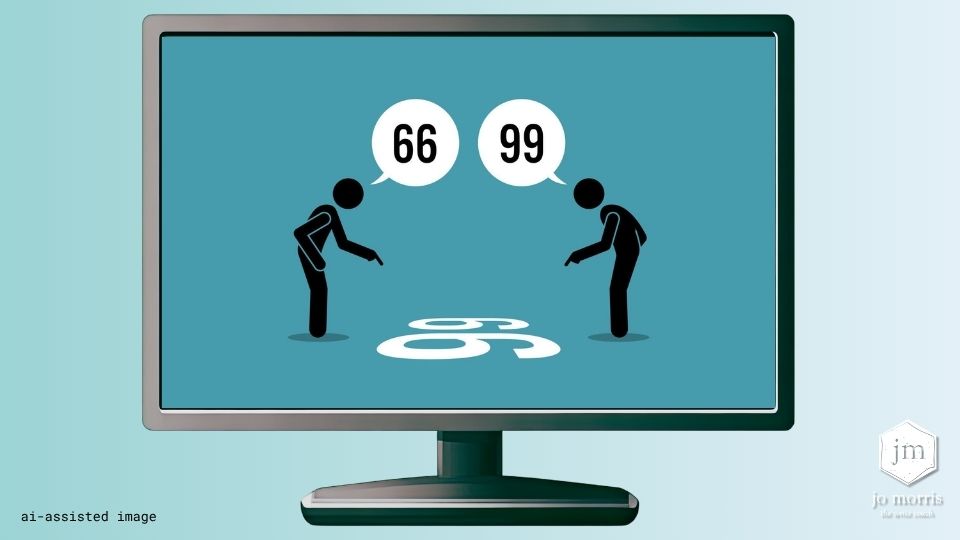
All of this relies on a set of powerful language tools — ones designed to make us feel first and think later.
Metaphor
One tool in every politician’s toolbox is metaphor: a comparison between two unlike things. For example, you might have heard a group in society labelled as the “squeezed middle.”
This isn’t literal. No one is physically being squeezed.
But the metaphor does a lot of work:
- it creates a clear group (the middle)
- it suggests pressure and discomfort
- it implies urgency
In a single phrase, it builds a whole narrative. The speaker wants to appear empathetic and supportive, and suggest they have a solution to the problem.
Sound and memorability
Political messaging is often carefully shaped to stick.
Phrases like:
- “Fixing the basics”
- “Cynical and calculated”
use rhythm, repetition, and simplicity to become memorable — and therefore persuasive.
The Coalition’s often repeated phrase ‘Fixing the basics’ uses repeated short “i” sound (fixing, basics are near echoes) and a rhythmic balance (2 + 2 beats) to make the phrase feel tight and memorable. The simplicity of the phrase suggests the solution is simple.
When Labour frames government policy as “cynical and calculated” (used in criticism of the English language bill debate), the repeated c/k sound and tight, punchy pairing turns the critique into a memorable label. The phrase sounds decisive, so it reduces room for nuance.
So what do we do with this?
None of this means we should distrust everything we read or hear.
But it does mean we should pay attention.
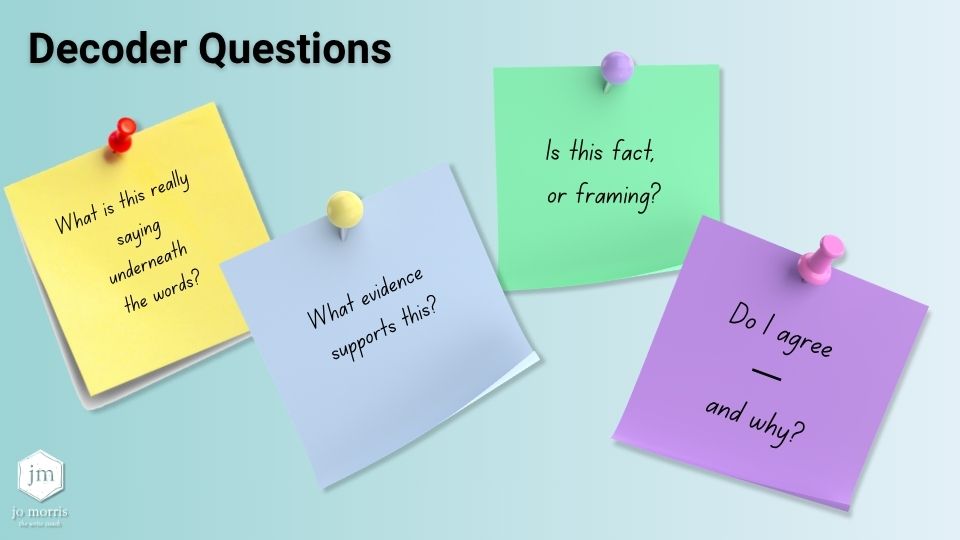
When you come across a piece of language — whether it’s an ad, a slogan, or a headline — it’s worth asking:
- What is this really saying underneath the words?
- Is this fact, or framing?
- What evidence supports it?
- Do I agree — and why?
These questions shift you from reacting to thinking.
Head, not just heart
Language is powerful because it speaks to how we feel. That’s not a bad thing. It’s part of how humans communicate. But if we want to make informed choices — about what we buy, what we believe, and who we support — we need to look beyond the surface.
We need to notice the gap between what words say and what they mean. Then we’ll start properly understanding what people are saying – and we’ll start making decisions with our heads, not just our feelings.